Signal Iduna Park
Všechny stadiony
  • Borussia Dortmund crest

Dortmund, Německo, Stadion

Signal Iduna Park

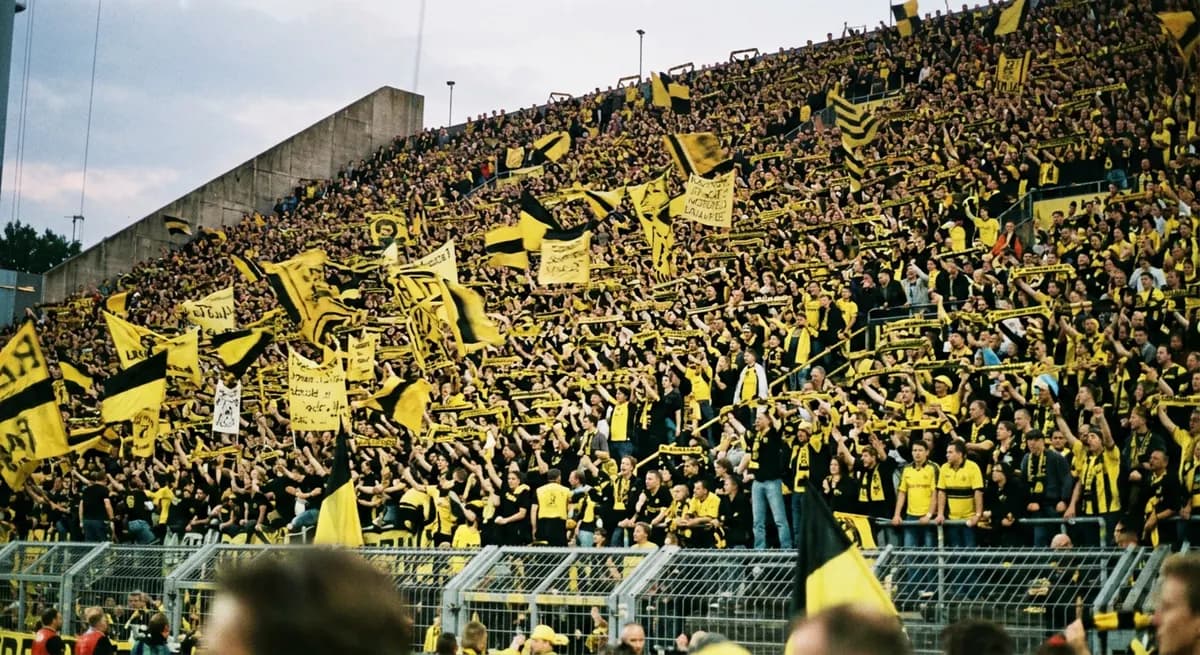
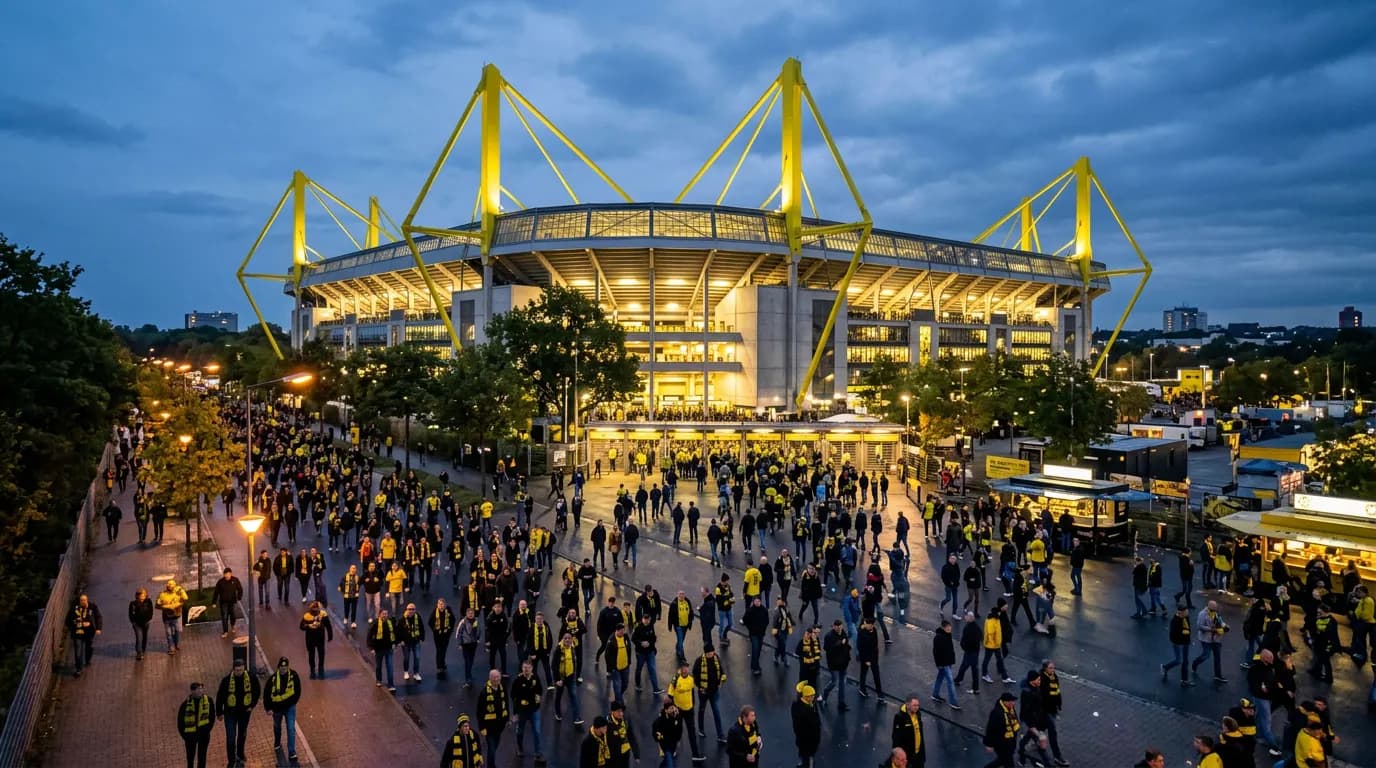
Germany's biggest stadium, home of the famous Yellow Wall

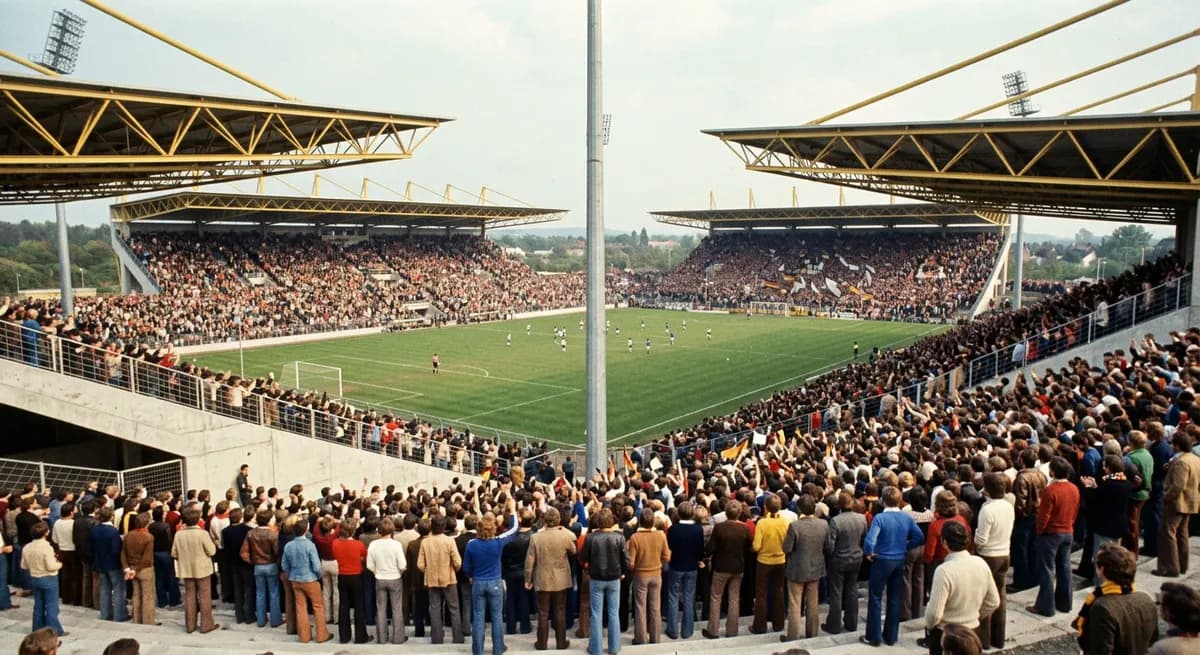
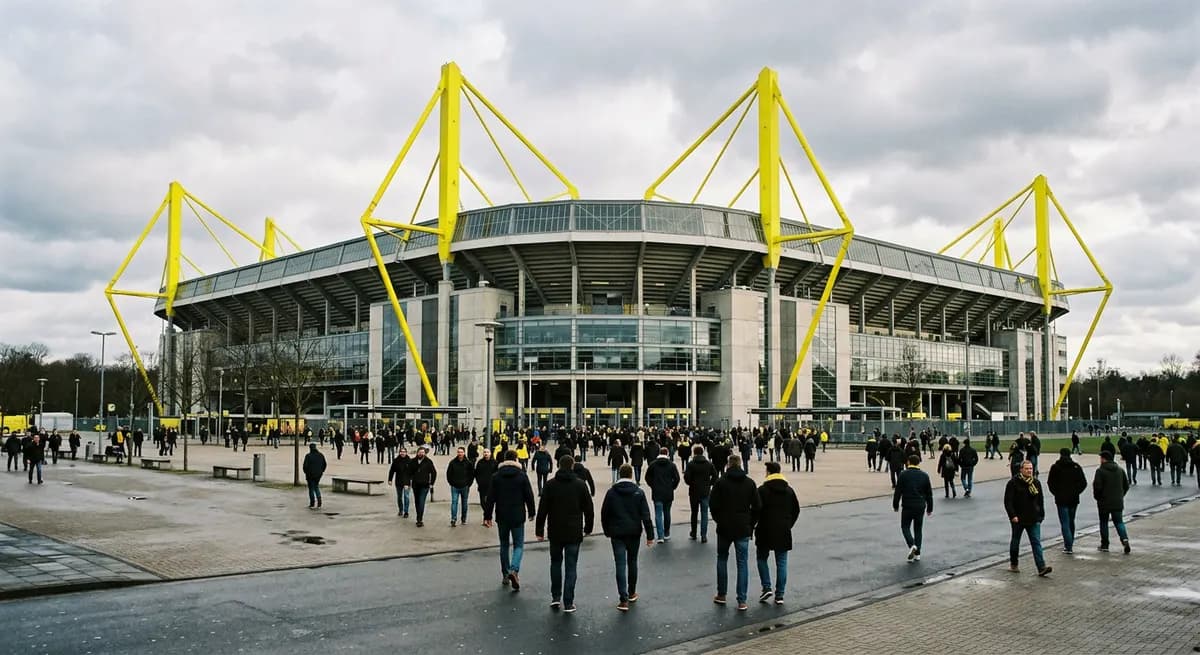
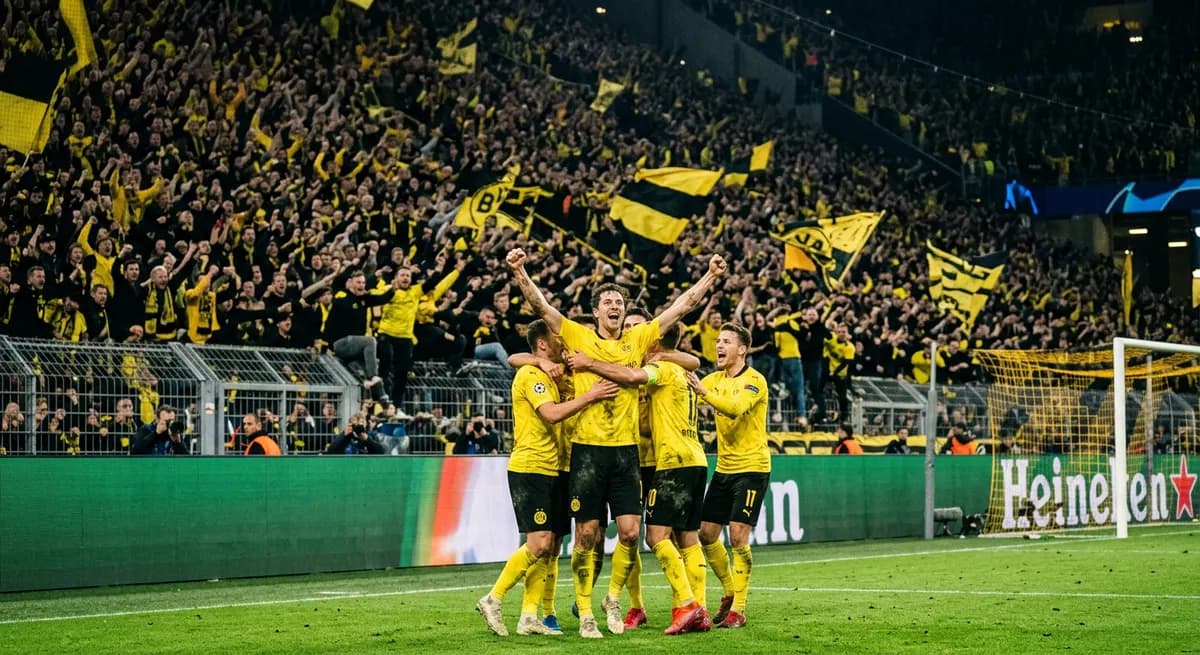
Built for the 1974 World Cup, the old Westfalenstadion is now the largest stadium in Germany. Its south stand, the Südtribüne, holds about 25,000 standing fans and is known worldwide as the Yellow Wall.

Kapacita
81,365
Otevřeno
1974
Architekt
Hochbauamt Dortmund
Domov
Borussia Dortmund

Jak se tam dostat

Strobelallee 50, 44139 Dortmund

Odjezdy

  • U45 or U46 to StadionUnderground trains from the main station area, the station is next to the stadium.
  • S-Bahn S4 to Signal Iduna ParkOn match days, regional trains also stop at the stadium's own station.
  • U41/U47 to WestfalenhallenAnother station about 10 minutes' walk away, useful when the stadium stop is crowded.

Po akci

The stadium stations get very busy. Walk 10 minutes to Westfalenhallen or into the Kreuzviertel bars and wait for the crowds to clear.

Tašky a vstup

Bags larger than A4 are not allowed. There's a paid bag storage area near the stadium.

  • Powerbanka

    Small power banks are usually allowed. Charge it before you go, mobile data gets slow with a full crowd.

  • Deštník

    Umbrellas aren't allowed inside. Bring a rain poncho instead.

  • Placení uvnitř

    Card and phone payments are accepted at the stands inside.

V den akce

Kdy se otevírají brány

Gates usually open 2 hours before kick-off. The Yellow Wall fills up early, so go in at least an hour before the start to see the build-up.

Kde se najíst předem

  • Strobels

    Famous fan pub right next to the stadium, packed before and after every home game.

  • Kreuzviertel

    Bars and restaurants with local Dortmunder beer, 15 minutes' walk from the stadium.

  • Stadium stalls

    Bratwurst and Currywurst are part of the match day. Pay with cash or the stadium card.

Domácí klub

Borussia Dortmund crest

Borussia Dortmund

BVB, Die Schwarzgelben

Založen
1909
Hraje tu od
1974

Borussia Dortmund is a club of the Ruhr industrial region with the highest average attendance in Europe. Its yellow and black colours fill the whole city on match days.

Největší úspěchy

  • Champions League winners in 1997
  • Eight German league titles
  • Cup Winners' Cup in 1966, the first German European trophy

Legendy, které tu hrály

  • Lothar Emmerich
  • Michael Zorc
  • Matthias Sammer
  • Jürgen Kohler
  • Roman Weidenfeller
  • Marco Reus

Rozložení sektorů

Kapacita: 81,365 for league games with standing, about 66,000 seated for international matches12PódiumPlocha

Klikni na patro nebo plochu a uvidíš, jaké to tam je

Hřiště / pódium

Pitch

Patro po patru

  1. 1

    Lower tier

    Very close to the pitch on all sides, including the bottom of the Yellow Wall.

  2. 2

    Upper tier

    Steep and high, with a great view of the whole stadium and the Südtribüne.

Tipy na místa

  • Standing tickets on the Südtribüne are almost always taken by members, but it's worth trying for cup and friendly games.
  • The West stand (Westtribüne) is the main stand with the best side-on view.
  • For international games the standing areas get seats, so the capacity and stand layout change.

Kde sedět

  • Nejlepší na koncert

    West stand, lower tier

    Rare but big concerts face this stand with the best view of the stage and the screens.

  • Nejlepší na fotbal

    West stand near halfway

    The classic side-on view, facing the Yellow Wall to your right.

  • Levně

    North stand, upper tier

    The cheaper seats behind the goal, with the best view of the Yellow Wall across the pitch.

  • Ve stínu

    East stand

    For afternoon games the low sun shines into the West stand, so the East side stays in the shade.

Klikni na rok, nebo nech příběh běžet

Historie

Signal Iduna Park, 1974Signal Iduna Park, 1974Signal Iduna Park, 1974Signal Iduna Park, 1974Signal Iduna Park, 1974Signal Iduna Park, 1974

01 / 06

1974

The Westfalenstadion opens for the World Cup

Přečíst celý příběh

Dortmund got its new stadium for the 1974 World Cup, next to the old Stadion Rote Erde. It was a simple, rectangular ground with four separate stands close to the pitch, and BVB moved in that year.

From the 1990s the stands were made bigger and the corners filled in, until the stadium held more than 80,000. The south stand became Europe's largest standing terrace, the Yellow Wall. In 2005 it was renamed Signal Iduna Park after an insurance company.

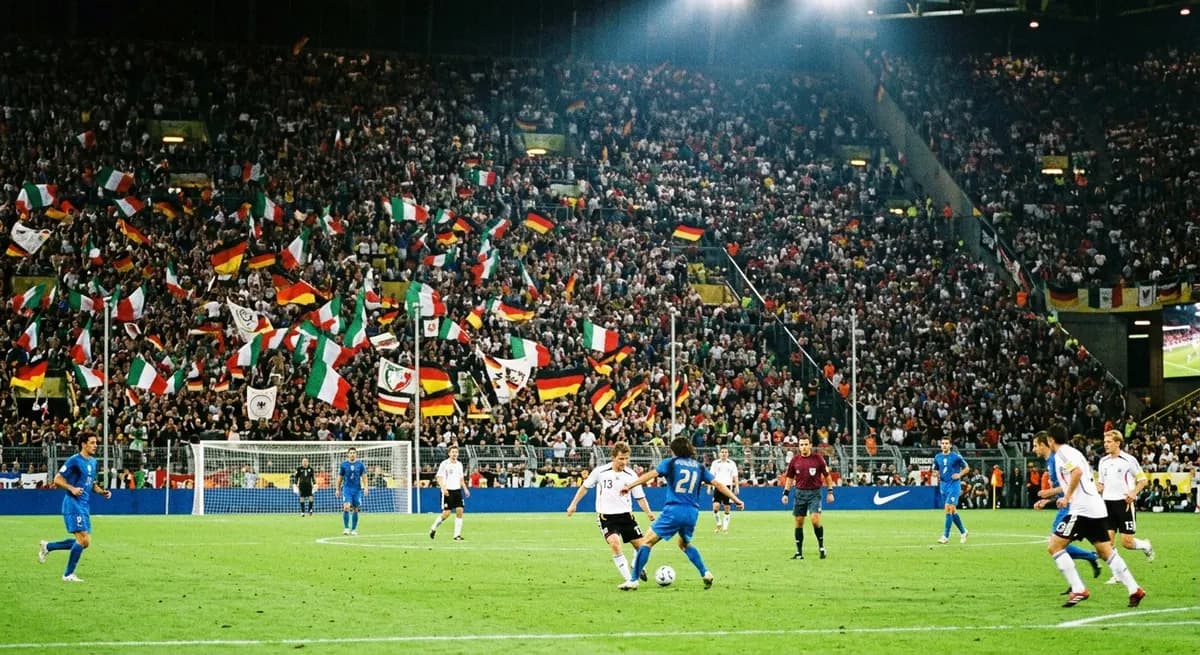
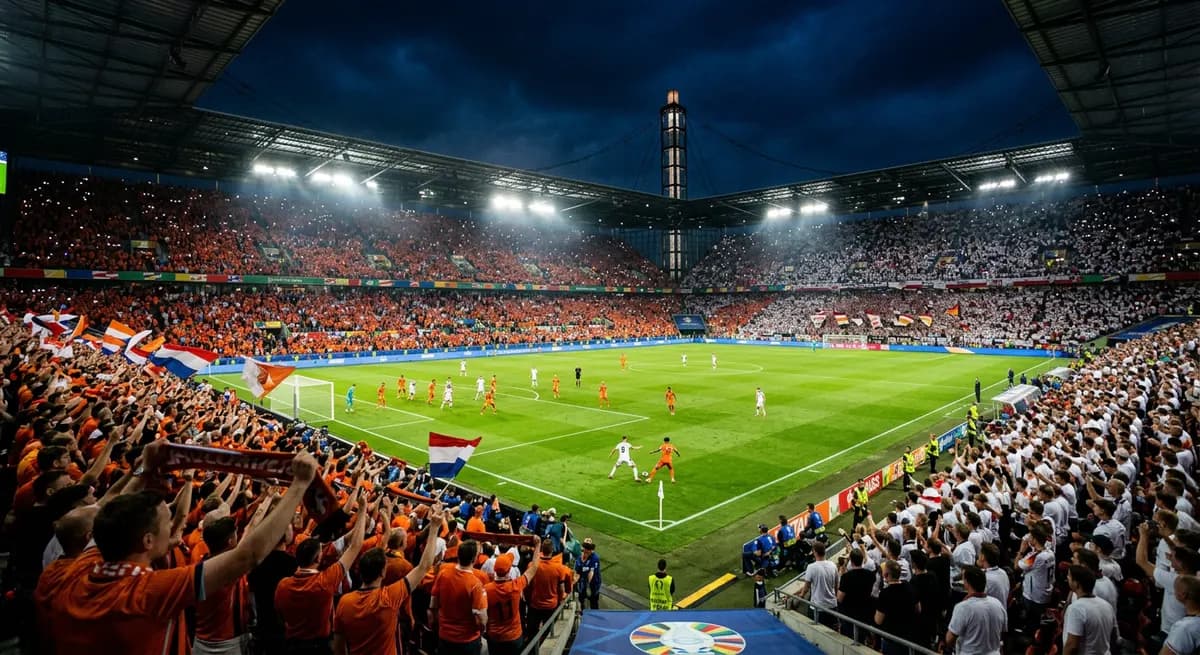
It hosted six games of the 2006 World Cup, including the semi-final in which Italy beat Germany, and six games of Euro 2024, including the semi-final between the Netherlands and England.

Legendární večery

Vstupenka

Signal Iduna Park

1997

Champions of Europe

BVB beat Juventus 3-1 in Munich, and the whole city came out to the stadium to greet the team.

Vstupenka

Signal Iduna Park

2006

Late Italian goals

Grosso and Del Piero scored in the last minutes of extra time to end Germany's home World Cup.

Vstupenka

Signal Iduna Park

2013

Málaga miracle

Dortmund were 2-1 down in injury time and scored twice to reach the Champions League semi-final.

Vstupenka

Signal Iduna Park

2024

Watkins in the 90th

Ollie Watkins scored the winner in the last minute to send England to the Euro final.

Na co se fanoušci ptají

Can I visit Signal Iduna Park?

Yes, there are stadium tours on most days without a home game, including the Yellow Wall and the dressing rooms.

How do I get to the stadium?

Take the U45 or U46 to Stadion, or the S4 or a regional train to Dortmund Signal Iduna Park on match days.

Can I stand on the Yellow Wall?

Only with a standing ticket for the Südtribüne. Most go to members, so they are very hard to get.

When do the gates open?

Usually about 2 hours before kick-off. Check your ticket for the exact time.

Věděl jsi?

01 / 04

The Yellow Wall holds about 25,000 standing fans and is the largest terrace in European football.

Kde se ubytovat poblíž

Nadcházející akce: Signal Iduna Park

Živě z Ticketmasteru, s cenou celého výletu.